
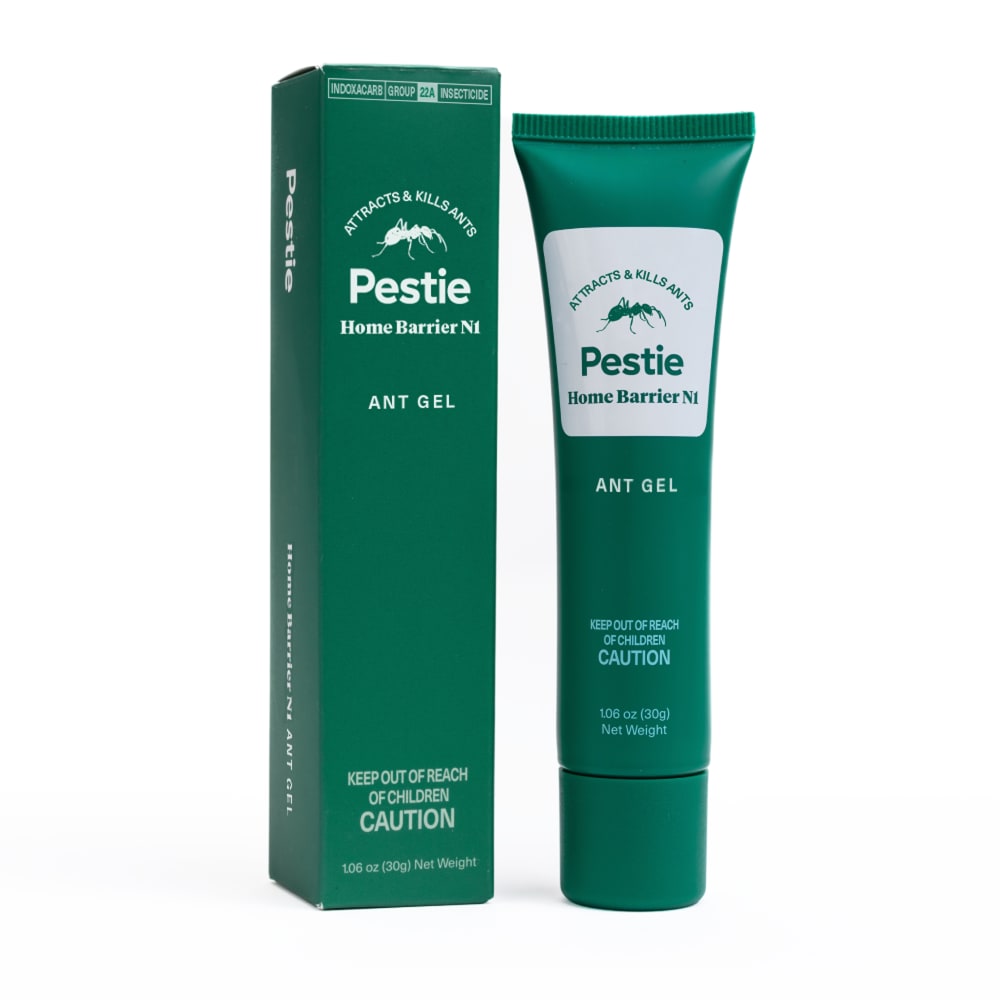
Overview
What to expect
Gel bait works differently than contact sprays. Instead of killing ants immediately, it gives them time to carry the bait back to the colony.
During the first day or two, you may notice more ants than usual around the bait. This is normal and is often a sign the bait is working. As the colony is affected, activity should gradually decline.
Avoid spraying ants or removing the bait while they’re actively feeding, as this can reduce the effectiveness of the treatment.
Safety & Tips
For the best results:
- Place bait where ants can reach it but people and pets are unlikely to contact it.
- Avoid food-contact surfaces.
- Don’t apply bait where it will be washed away or cleaned regularly.
- Avoid placing bait directly on surfaces recently treated with residual insecticides.
- Keep bait away from excessive heat, which can reduce its effectiveness.
- Always follow the directions and precautions on your product label.
Where to place bait
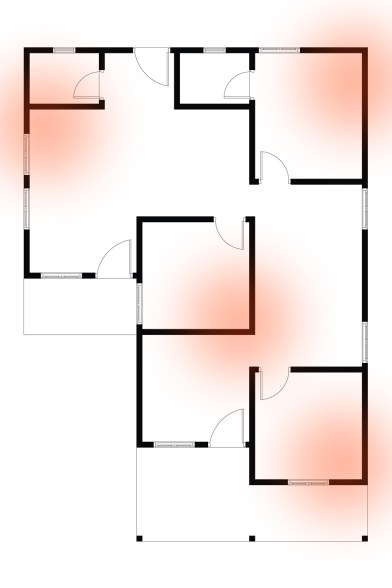
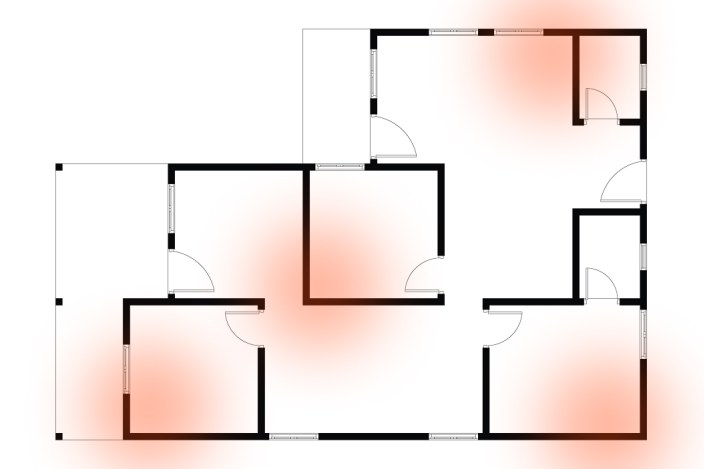
Place bait where ants already travel
Apply small amounts of gel anywhere you’ve seen ant activity or where ants are likely entering your home.
Common locations include:
- Along ant trails
- Cracks and crevices inside or outside
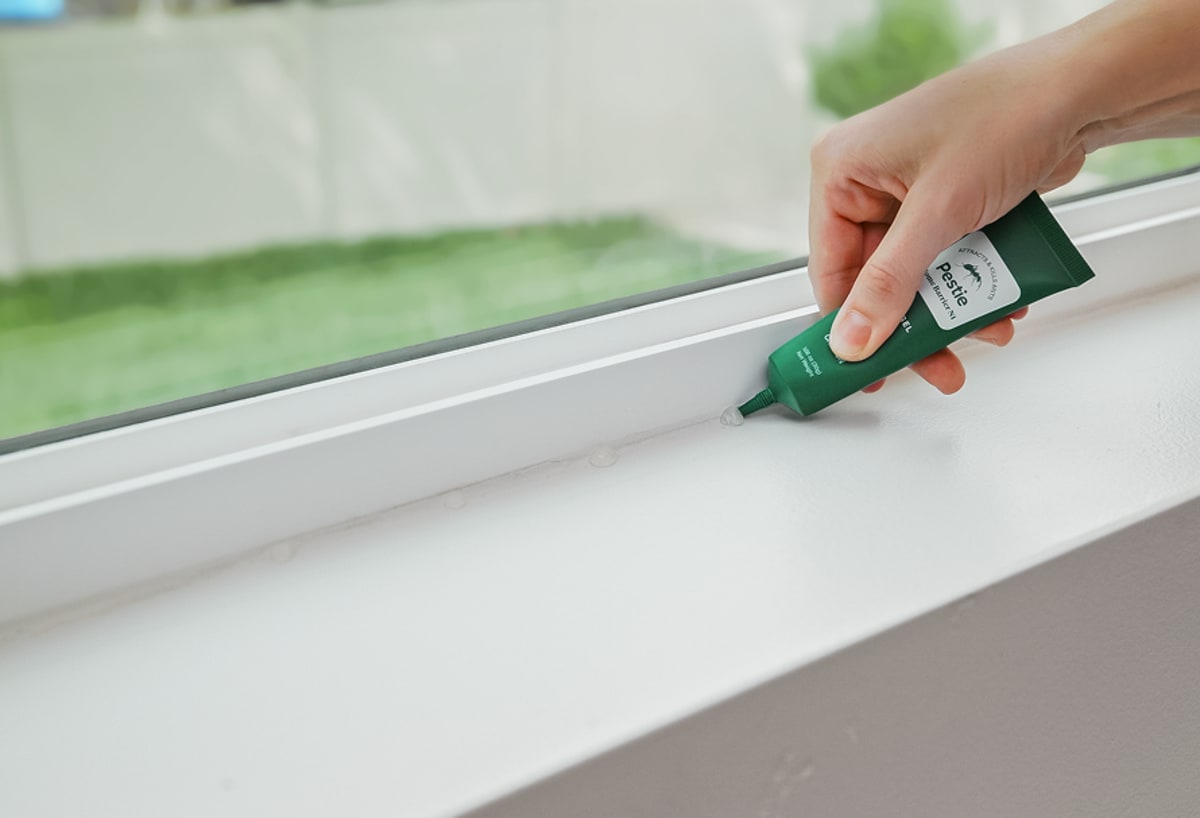
- Around doors and windows
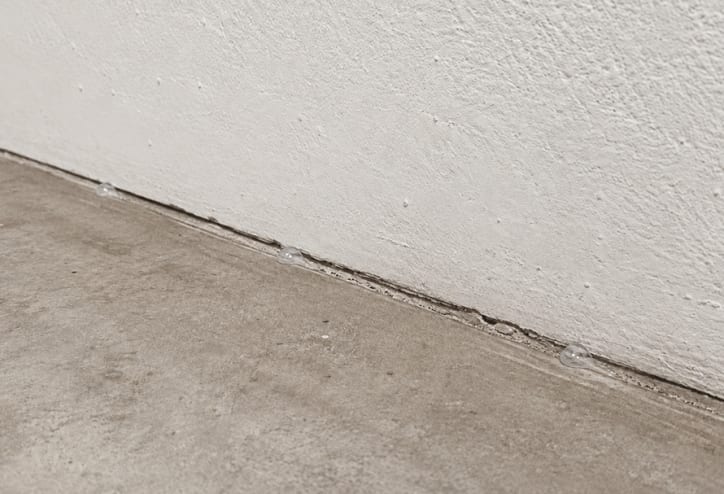
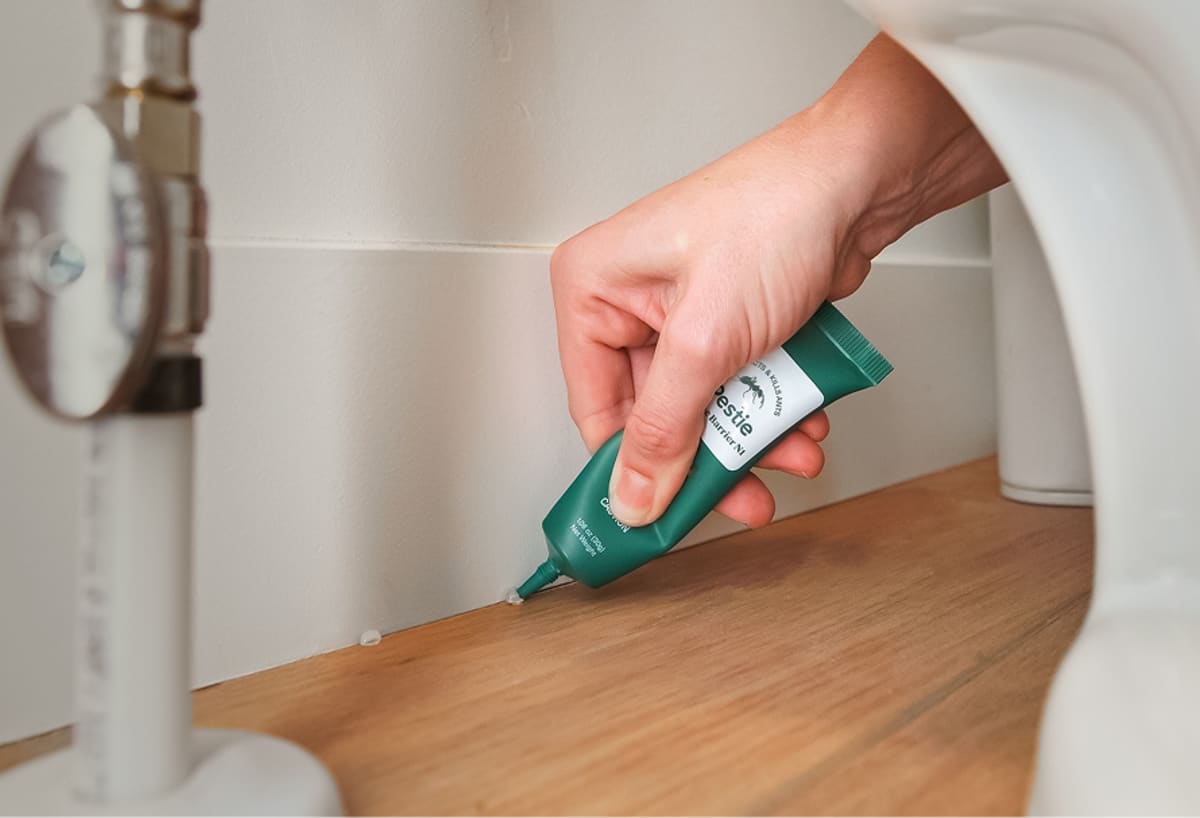
- Along baseboards
- Under sinks
- Around plumbing penetrations
- Behind refrigerators, stoves, and dishwashers
- Inside cabinets and pantries (away from food and food-contact surfaces)
- Utility rooms and garages
The closer the bait is to active ant traffic, the better it performs.
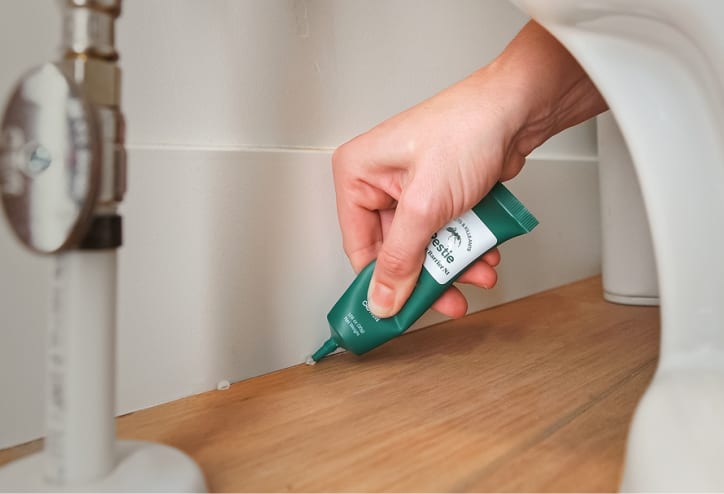
Behind toilet/vanity
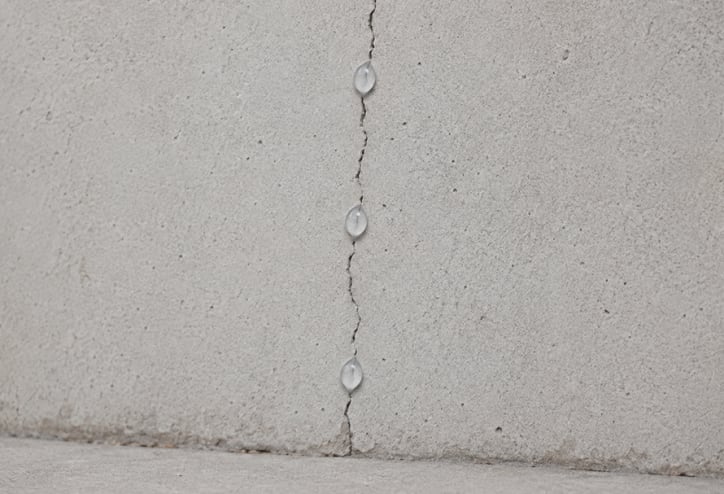
Cracks & crevices
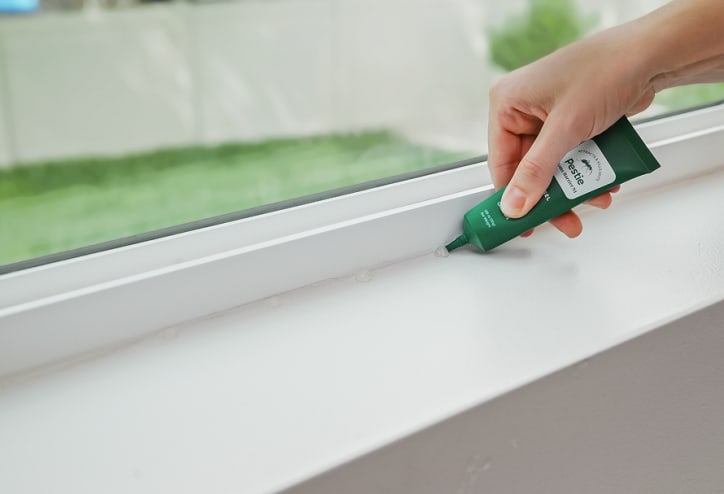
Around doors & windows
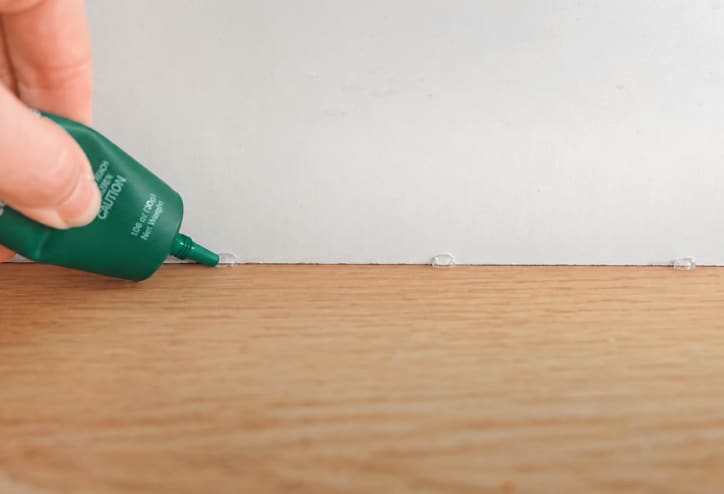
Along baseboards
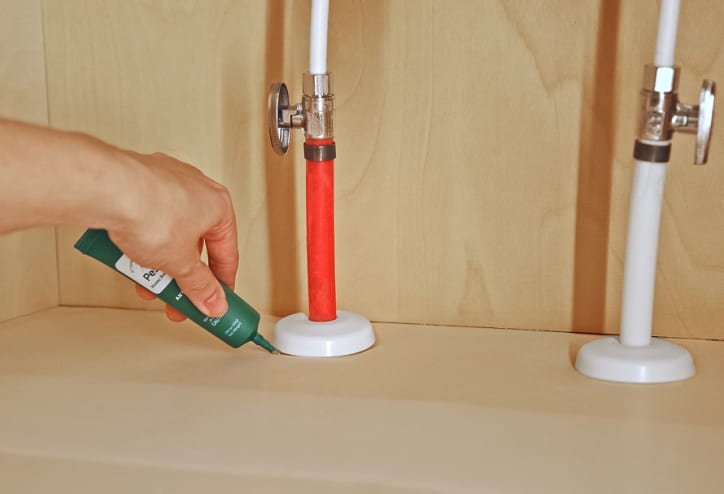
Under sinks
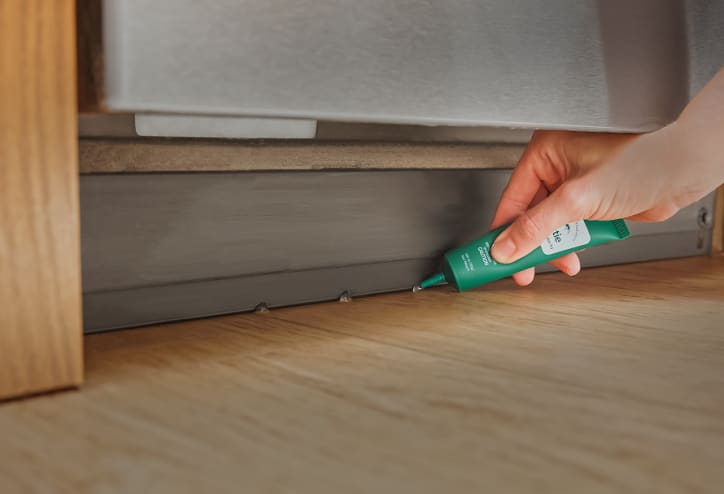
Around large appliances
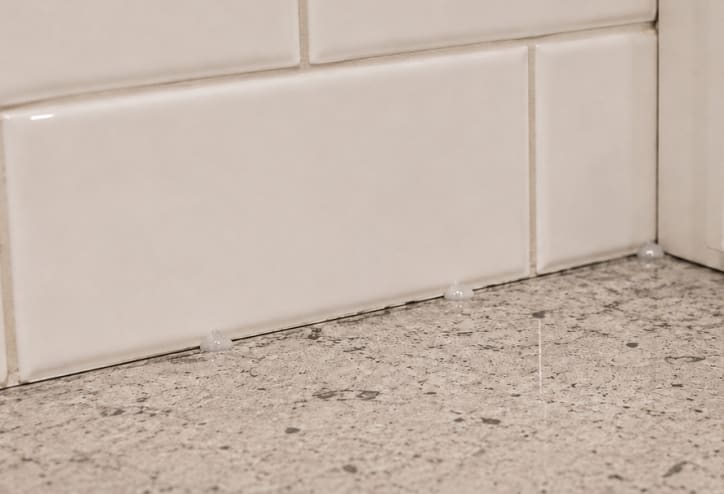
Countertop near wall
Utility/laundry/garage
Do not apply in the following areas:
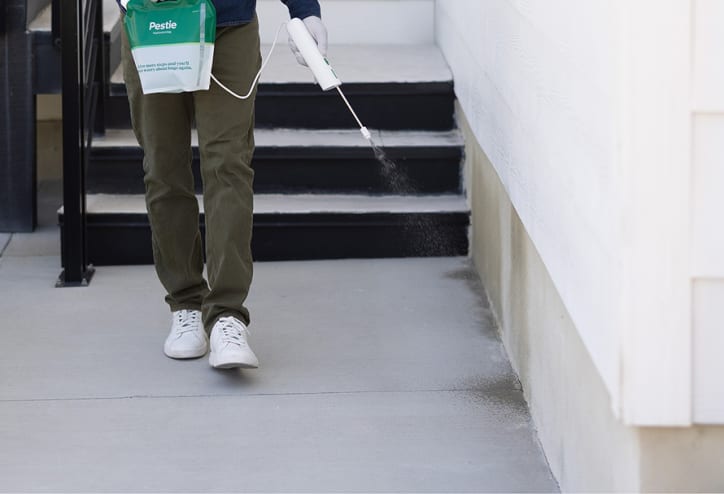
Areas recently treated with residual insecticide
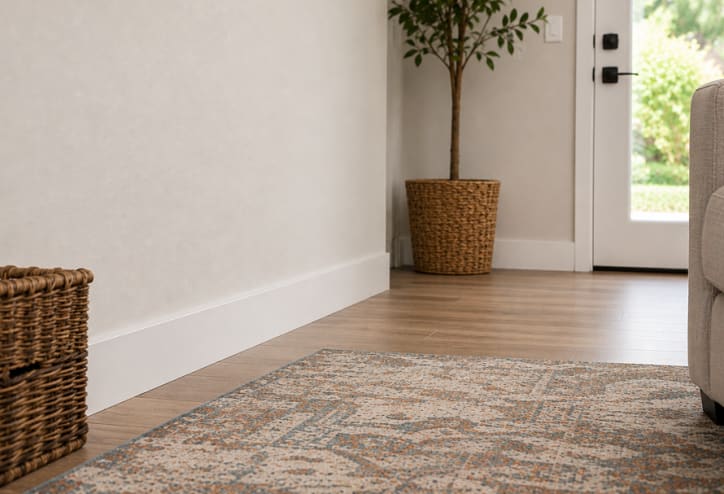
Areas easily accessible to children and pets

Areas that come in contact with food
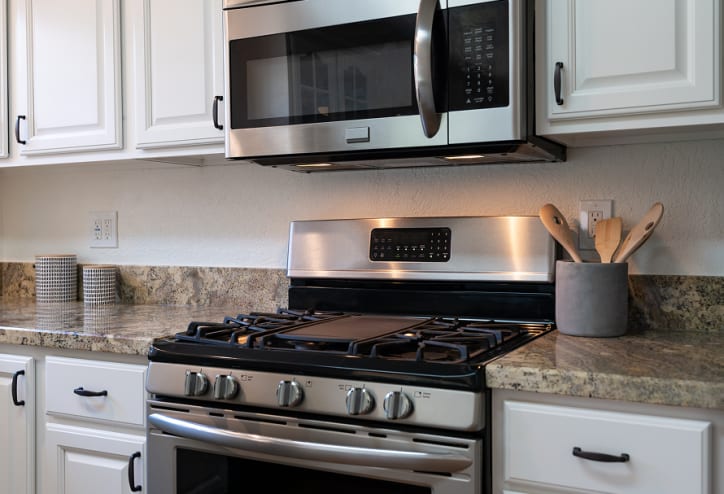
Hot or steamy areas
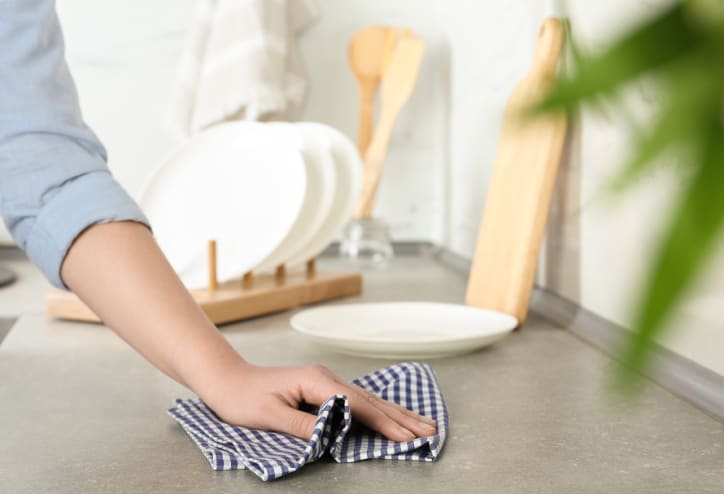
Frequently cleaned or wet surfaces
How to apply
Place small dots
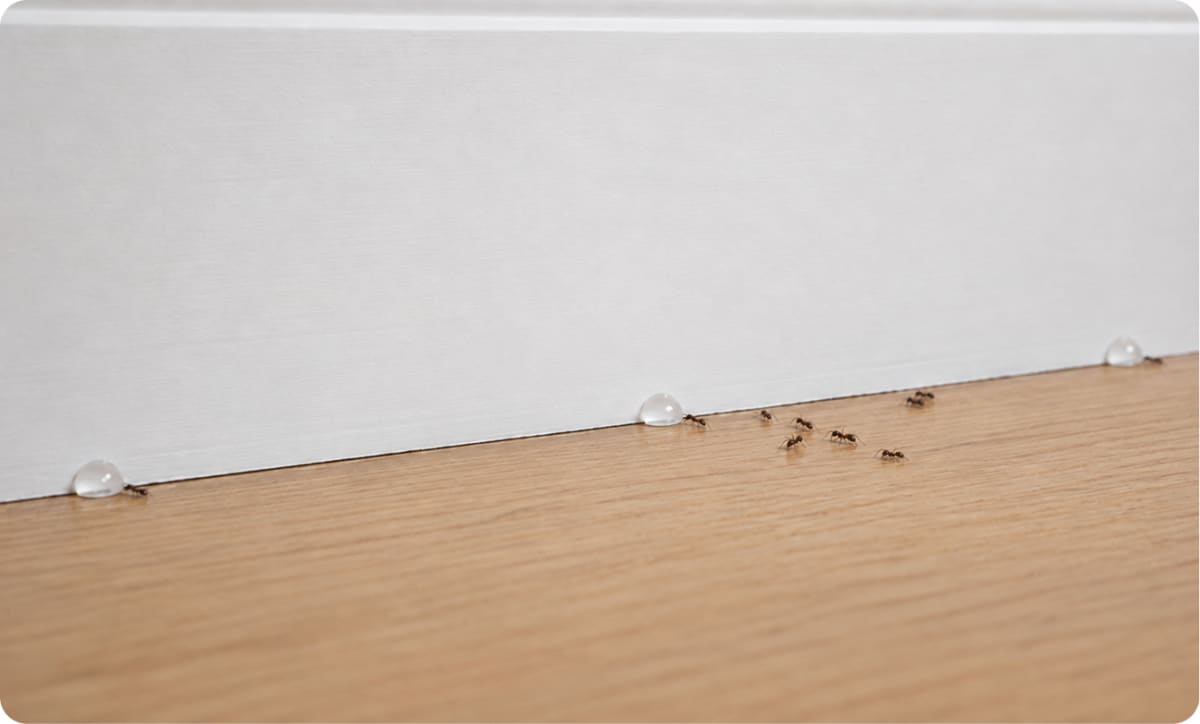
Place small dots or short beads of bait directly along active ant trails or near entry points. Several small placements work better than one large application.
Add more placements
Continue placing bait anywhere you notice ant activity. Spread your placements throughout the affected area rather than concentrating them in one spot.
Let the ants feed
Leave the bait undisturbed so ants can carry it back to the colony. You may notice increased activity at first—that’s often a sign the bait is working.
How much to apply
More placements beat larger placements
Several small bait placements throughout an infested area are generally more effective than one large application or pile of gel bait.
Use additional placements when:
- Ant activity is widespread
- Multiple trails are present
- Large numbers of ants are visible
Replace bait if it has been completely consumed, becomes contaminated with dirt or dust, or dries out before the infestation is controlled.
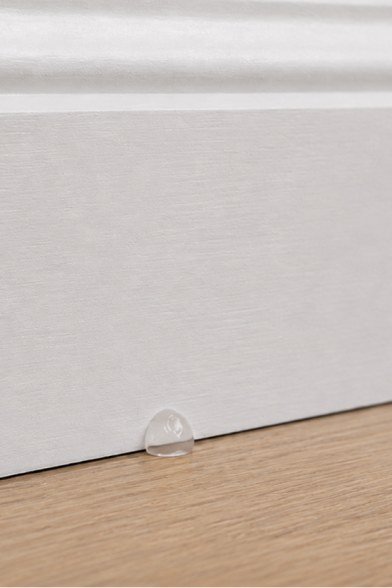
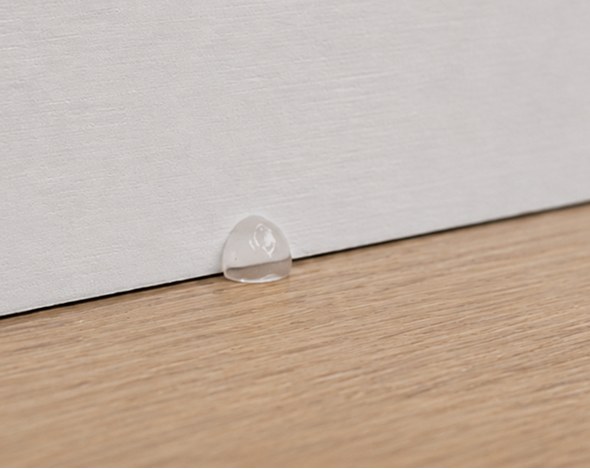
One dot
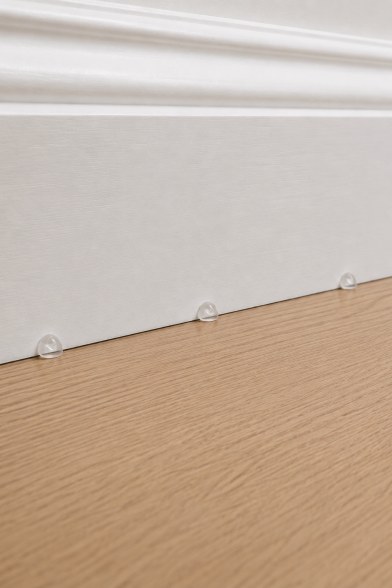
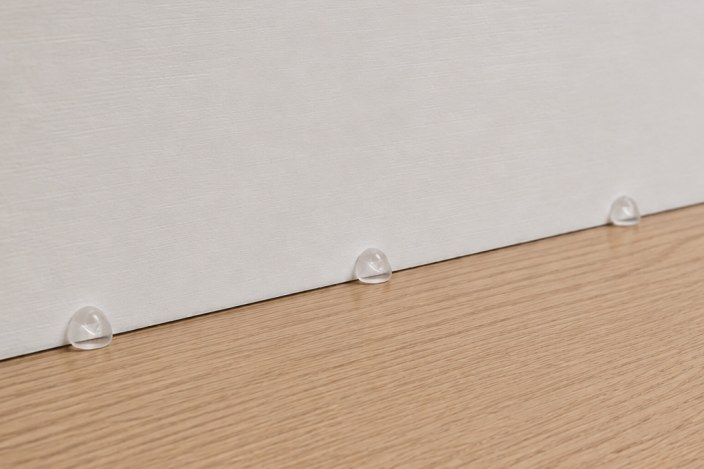
Several dots