
How to identify and treat ghost ants
Phantom menace: How to get rid of ghost ants for good
Is your home haunted by tiny ants? No, you just have a ghost ant infestation instead! Luckily for you, ghost ants are less likely to scare you at night, and you won’t need ghostbusters to get rid of them. Ghost ants, scientifically known as Tapinoma melanocephalum, are a tropical species of ant that has adapted well to indoor environments. Originally from Africa and Asia, they have spread throughout more humid and warmer areas of the Southern US.
These tiny, fast-moving pests are experts at sneaking into homes in search of sugary foods, water, and shelter. Because they’re so small and have a pale, almost translucent appearance, they can be difficult to spot until their numbers grow into a full-blown infestation
How to identify ghost ants
- Transparent abdomen
- Tiny size
- Fast, erratic movement
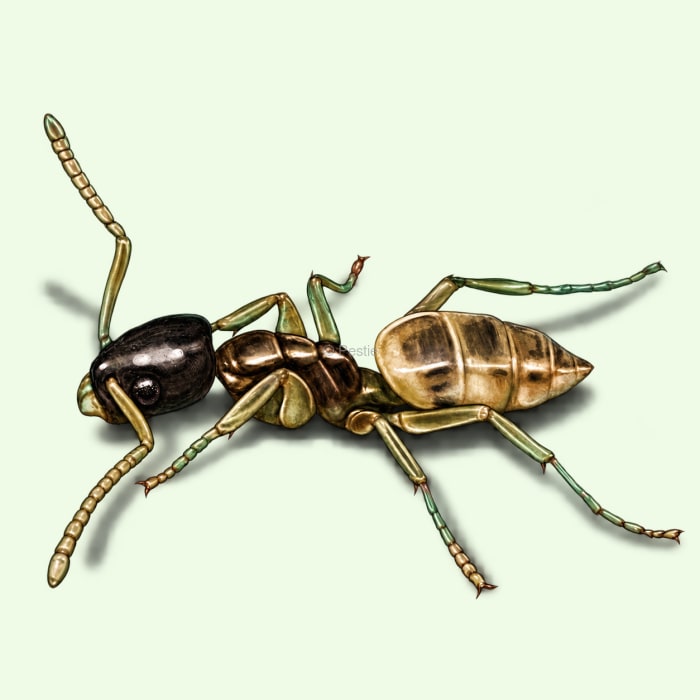
Ghost ants are best identified by their small size, fast movements, and their distinct coloration—a dark head with a pale, nearly see-through abdomen. They are often seen in kitchens, bathrooms, or anywhere with moisture and food sources. Signs of an infestation include tiny ants trailing along baseboards, countertops, or sinks, especially near sugary spills.
How big are ghost ants?
Ghost ants are very small, typically around 1/16 inch in length.
Where do ghost ants live?
Ghost ants are most common in the southeastern U.S., particularly in Florida, Texas, and other warm, humid states, but they can also infest heated buildings in colder regions.
Indoors, ghost ants prefer kitchens, bathrooms, and areas with moisture, such as under sinks and inside wall voids. Outdoors, they nest in soil, potted plants, under rocks, and within decaying wood or mulch.
How to get rid of ghost ants for good
Because of their sneaky and persistent behavior, ghost ants can be hard to deal with. Most of the time, cleaning up spills and sticky substances in kitchens or pantries can reduce the likelihood of an infestation. You’ll also want to seal up food with airtight containers and seal up any gaps or cracks around your home with silicone. Ghost ants can squeeze through some tiny holes, so make sure you are thorough!
Other times, the ants will build a nest in your home, and then you need to take some more direct measures.
Here are some things you can do to get rid of ghost ants in or around your home:
- Use ant baits with sugar-based attractants to lure workers and poison the colony.
- Wipe down ant trails with a vinegar or soapy water solution to remove scent trails.
- Apply diatomaceous earth around entry points and nesting sites as a natural deterrent.
- Place sticky traps near suspected ant trails to monitor activity.
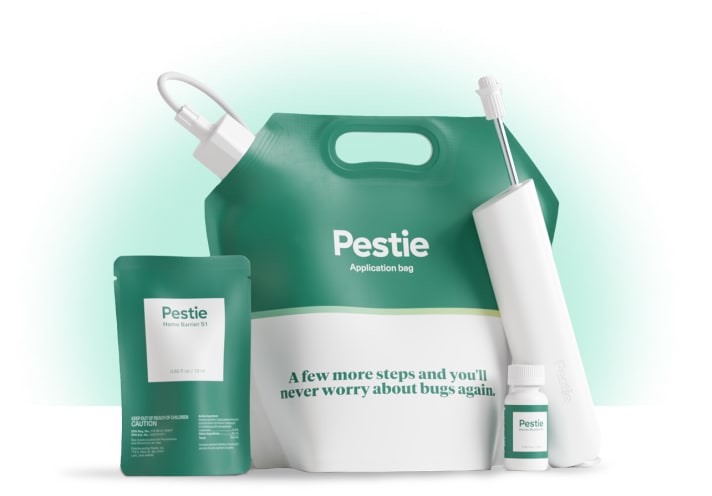
- Spray an insect barriers inside and outside the base of your home. Check out Pestie’s DIY solution for a quick and easy way to deter ants.
Treat ghost ants with Pestie
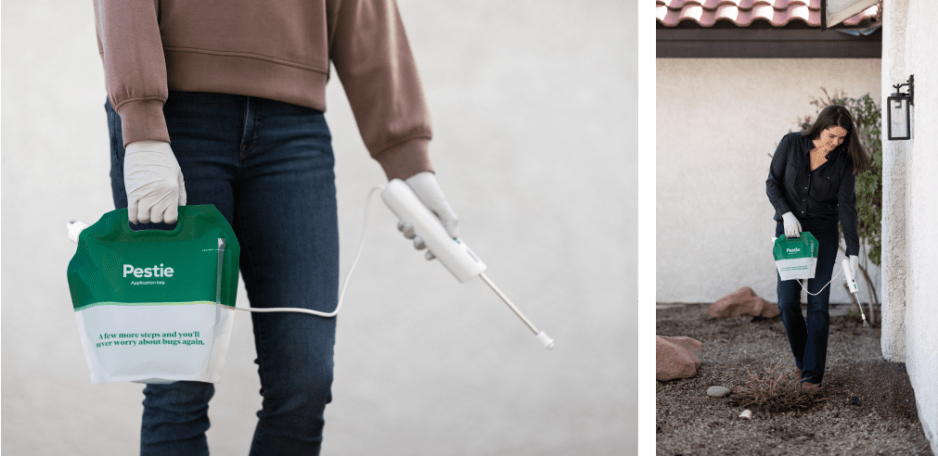
If you're still having trouble keeping ghost ants away, the best option is to use a pro-grade, effective pest control solution like Pestie.
Pestie is a do-it-yourself pest control solution that's specially designed to keep ghost ants and other pests away from your home.
With Pestie, you can rest easy knowing that your living space is protected and free of creepy crawlies. And the best part? It’s pro-grade pest control you can use around people and pets. Hello, peace of mind.
- Save hundreds compared to traditional annual pest plans
- For homes with kids & pets
- Pro-grade customized treatments
Quick facts
- Scientific name
Tapinoma melanocephalum
- Other common names
Sugar Ant, Tramp Ant
- Colors
Black and clear
- Life span
The colony can survive for several years
- Diet
Sweets, meat, grease
How dangerous are Ghost Ants?
Low danger risk
They do not bite or sting but can contaminate food if they invade pantries.
Ghost ant colonies can multiple a lot like honeybee swarms. A new queen ant may take a few workers away with her to form a new colony nearby. This is called budding and can quickly multiple colonies across an area. Often, these colonies won’t compete but will cooperate instead.
FAQs

Grant specializes in the pest control and AgTech industries, blending scientific expertise with creative storytelling.